
In 2026, organizations manage an increasingly complex software ecosystem: SaaS applications, pay-per-use cloud services, artificial intelligence tools, and hybrid environments that grow out of control if not managed properly. Software has become one of the main operational expenses and, at the same time, a critical factor for risk and efficiency.
In this article, you will discover what SAM (Software Asset Management) is, why it is key in today's context, and how to start implementing it to optimize costs, reduce risks, and improve software management in your organization with a vision aligned to the immediate future.
The evolution of SAM in the era of cloud, SaaS, and artificial intelligence
In 2026, organizations manage a much more complex software ecosystem than just a few years ago.
The massive use of SaaS applications, pay-per-use cloud services, collaborative tools, automation, and artificial intelligence has completely transformed the way companies acquire, use, and pay for their software.
In this context, SAM (Software Asset Management) is no longer just a licensing control practice, but a strategic discipline that connects IT, finance, security, and business, aligning with the ISO/IEC 19770 standard.
Companies that have not adapted their SAM model to this new scenario face:
- rising subscription and consumption costs
- loss of control over Shadow IT
- greater exposure to security risks
- increasingly frequent and aggressive vendor audits
What is SAM in 2026?
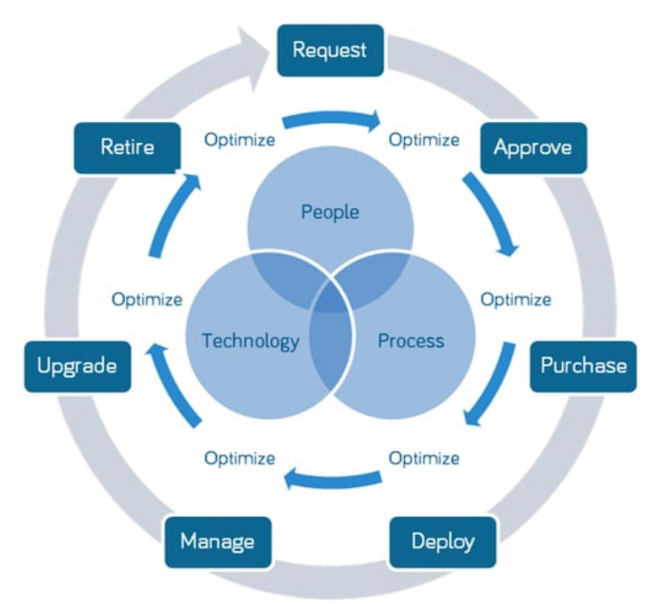
Software Asset Management (SAM) is the set of processes, policies, and technologies that allow an organization to manage the complete software lifecycle, from request to retirement, ensuring efficient use, contractual compliance, and spend optimization.
In 2026, SAM covers:
- Traditional software (on-premise)
- SaaS applications and per-user licensing
- Cloud platforms (AWS, Azure, Google Cloud)
- Pay-per-use services
- AI and automation tools
- Low-code / no-code applications
- Software distributed across hybrid and remote environments
SAM provides total visibility and real-time data to make decisions based on actual usage, not estimates.
Why is SAM critical for companies in 2026?
Software has become one of the largest operational expenses for organizations. Without proper control, the growth of digital tools translates into inefficiency, cost overruns, and risk.
1. Cost Optimization in a Subscription and Consumption Model
In 2026, the majority of IT spend is based on subscriptions, consumption, and automatic renewals. SAM allows you to:
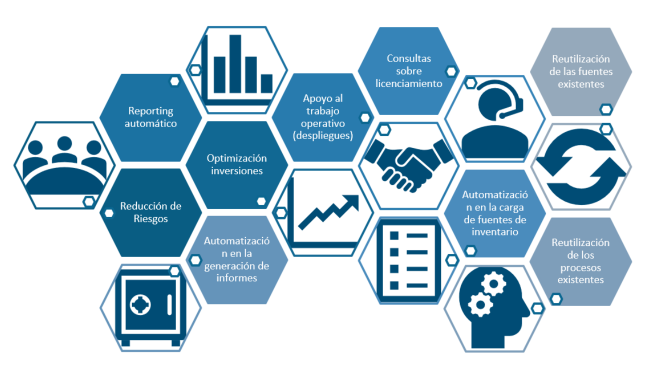
- eliminate inactive licenses
- adjust plans to actual usage
- avoid unnecessary renewals
- control cloud spend growth
- support FinOps and Green IT strategies
2. Risk Reduction and Continuous Compliance
Vendors have intensified audits, especially in hybrid and cloud environments. SAM helps to:
- maintain continuous compliance
- avoid penalties
- document usage rights
- strengthen security and access policies
- reduce the attack surface associated with unmanaged software
3. Greater operational efficiency and data-driven decision-making
With SAM, IT and Finance share a single source of truth. This enables:
- fast and well-founded decisions
- automation of repetitive tasks
- improved end-user productivity
- total alignment between technology and business goals
How to implement SAM with a 2026 vision?
SAM implementation in 2026 must be continuous, automated, and cross-functional. These are the key pillars:
1. Total Software Visibility
Take stock not only of equipment, but also of:
- active SaaS assets
- cloud services
- user accounts
- actual consumption by department or project
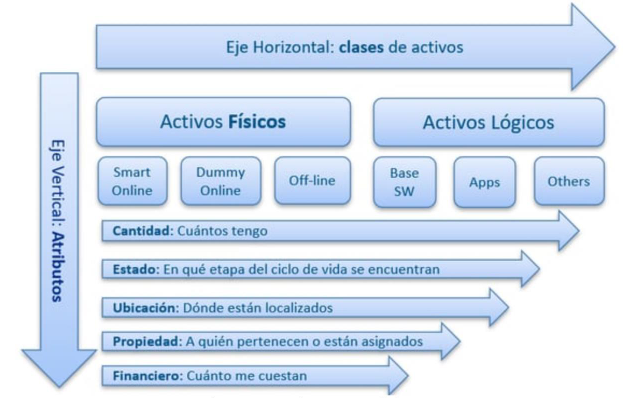
It is essential to have tools that integrate multiple sources and offer real-time updated data.
2. Centralized License and Contract Management
Consolidating contracts, subscription agreements, and usage rights is essential to:
- negotiate renewals backed by data
- avoid duplicate payments
- anticipate audit risks
3. Measurement of Actual Usage and Automation
SAM en 2026 se apoya en:
- continuous monitoring
- reassignment automation
- inactive license detection
- AI-based smart alerts
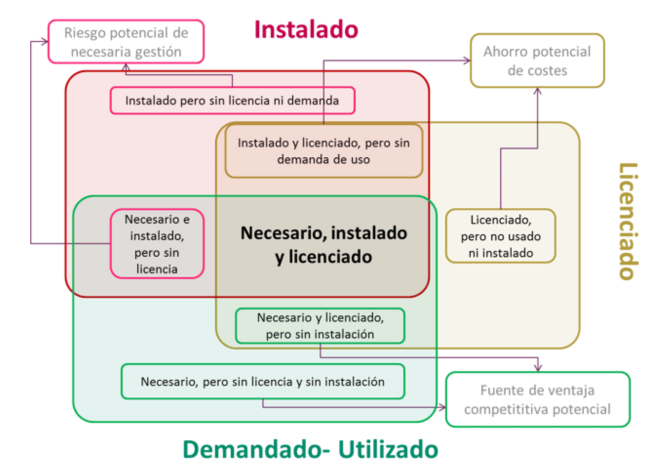
The goal: pay only for what is actually used.
4. Software Lifecycle Governance
From request to retirement, every asset must follow clear policies integrated with ITSM, procurement, and finance. This guarantees control, efficiency, and scalability.
SAM as a competitive advantage in 2026
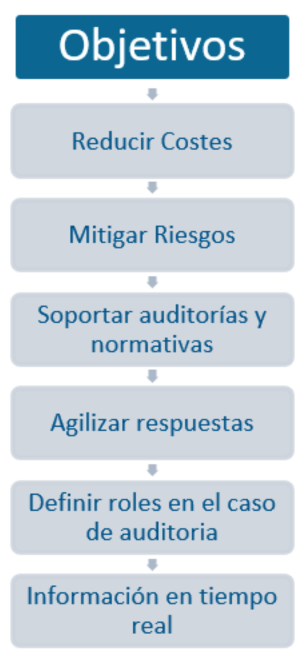
SAM is no longer just an IT function: it is an enterprise governance tool. It allows organizations to:
- control costs
- reduce risks
- improve security
- accelerate digital transformation in a sustainable way
In an environment where software drives everything, whoever controls their software controls their business.
Count on Ambit Iberia
En Ambit Iberia we help organizations adapt their SAM model to present and future challenges, integrating technology, processes, and strategy for complete control of the digital environment.
Contact us to discover how to implement SAM with a 2026 vision.



Cuéntanos tu opinión