


The concept of digitalization in the pharmaceutical and biotechnology industry emerged in the final decades of the 20th century, with systems that automated and managed laboratories, resources, and processes. Although it has led to a greater understanding and quality of products, there is no binary answer regarding its effectiveness.
There are more specific questions about process knowledge, accuracy in results, and the availability of reliable information. Computerized system validation remains mostly paper-based, and digitalization has not yet been widely implemented.
From Process to Data
The incorporation of technological solutions into processes has generated a paradox: although processes are perceived to be well-controlled, the vast amount of data generated is not properly leveraged and remains a vulnerability in audits and inspections. Computerized systems function as isolated silos with static interfaces that are costly to modify. Instead of focusing on the process, we must take a step forward by focusing on data, which will bring value, quality, and differentiation. Validation has been relegated to the background, while the industry seeks to adapt the Pharma 4.0™ model to focus on data, ensuring its uniqueness and accessibility. This paradigm shift involves designing cloud-based technological solutions (SaaS) centered on data, from generation to deletion, and avoiding duplications. Facing this challenge is essential for the future of validation in the industry.
Computerized System Validation Remains Manual
After analyzing the last ten years of computerized system validation projects in the Spanish market, Ambit BST has observed a high demand for process equipment and laboratory instrumentation, as well as cloud applications (SaaS). However, most of these systems continue to function in an isolated manner with little integration between them, acting as silos that automate independent processes. Furthermore, validation documentation is generated mostly on paper, with scarce adoption of management IT tools. Once validated, changes in systems are difficult to manage and lack agility. Likewise, a certain resistance to the use of risk analysis as a tool to optimize validation activities and documentation is noted.
Validation as an obligation
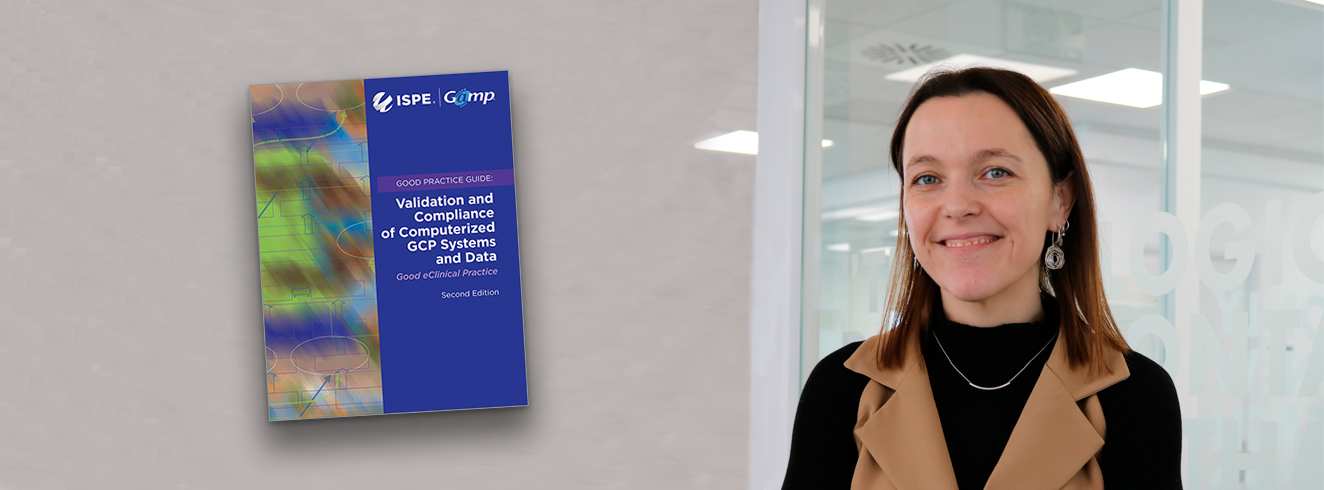
Validation continues to be seen as an obligation in the healthcare sector, rather than a methodology to guarantee the correct operation of processes and ensure data lifecycle reliability. Although many organizations have incorporated computerized system, process, and cleaning validation as a regulatory requirement, it continues to focus on isolated processes or independent silos. It is crucial that validation focuses on data flow and analyzes the risks of the entire process and interaction with other processes. In this sense, concepts such as CSA (Computer Software Assurance) and Critical Thinking are fundamental, with guides such as Records and Data Integrity Guide and GAMP 5: A risk-based approach to compliant GxP Computerized Systems, Second Edition emphasizing this approach.
A commitment to the future: the digitalization of validation
Faced with the change toward data engineering, it is relevant to consider the position of the FDA, which continues searching for primary data in wastebaskets while questioning how it is possible to access a computerized system with generic users. Digitalization presents itself as a new challenge in validation, but faces obstacles such as management's lack of knowledge about validation and manual methods, difficulty in calculating the ROI of digital tools, and coordination among areas involved in processes. Implementation and maintenance costs, the need for specialists in the adopted technology, and the interpretation of generated information are also highlighted.
Digitalization is a long-distance race, but it can overcome bottlenecks related to organizational maturity through workflows and templates that provide visibility into the validation status of equipment and systems. Approaches to the data lifecycle are also important to obtain maximum performance in production equipment and laboratory instruments, as well as in managing improvements in cross-functional systems.
Outsourcing of validation services
Outsourcing initial system validation to specialized companies is a common practice, as is instrument calibration. However, maintaining validation status is costly and demands internal, specialized resources that are difficult to justify from a budgetary perspective.
The use of digital validation tools offers a more efficient solution, allowing specialized companies to be subcontracted for the entire system lifecycle. This includes continuous monitoring of validation status, version change impact analysis, and periodic system reviews. This approach provides greater control over systems and saves costs in performing these tasks. If you are interested in knowing how AMBIT-BST can help you in the computerized system validation and equipment qualification digitalization process, we invite you to consult our section on Digital Validation.
Would you like to read the full article?
AMBIT BST





Cuéntanos tu opinión